Photo: griffonboi (opens in a new tab), CC0 (opens in a new tab)
Bee Card in Queenstown: where to buy it and how it works
Checked 7 Nov 2026Published 4 Sept 2026
In short
A Bee Card costs $5 with a $5 minimum top-up and drops the Orbus adult fare from $4 cash to $2.50, and the airport leg from $10 to $2.50. Buy one in person in Queenstown or order online to a New Zealand address; tag on and off every trip; transfers within 45 minutes are free. ORC fares, checked 13 November 2026.
Take this page with you
This page, the offline map and every Orbus bus time on your phone.
 On a laptop?
Scan with your phone.
- Card, plus $5 minimum top-up
- $5
- Adult fare with a Bee Card
- $2.50
- Same trip paid in cash
- $4
- Airport bus paid in cash
- $10
- Child or youth fare, 5 to 18
- $1.50
- Free transfer window
- 45 min
From this guide’s sources, listed at the foot of the page.
About this guide
The prepay card that turns a $10 airport bus into a $2.50 one. What it costs, where to get it, and the rules that save you money.
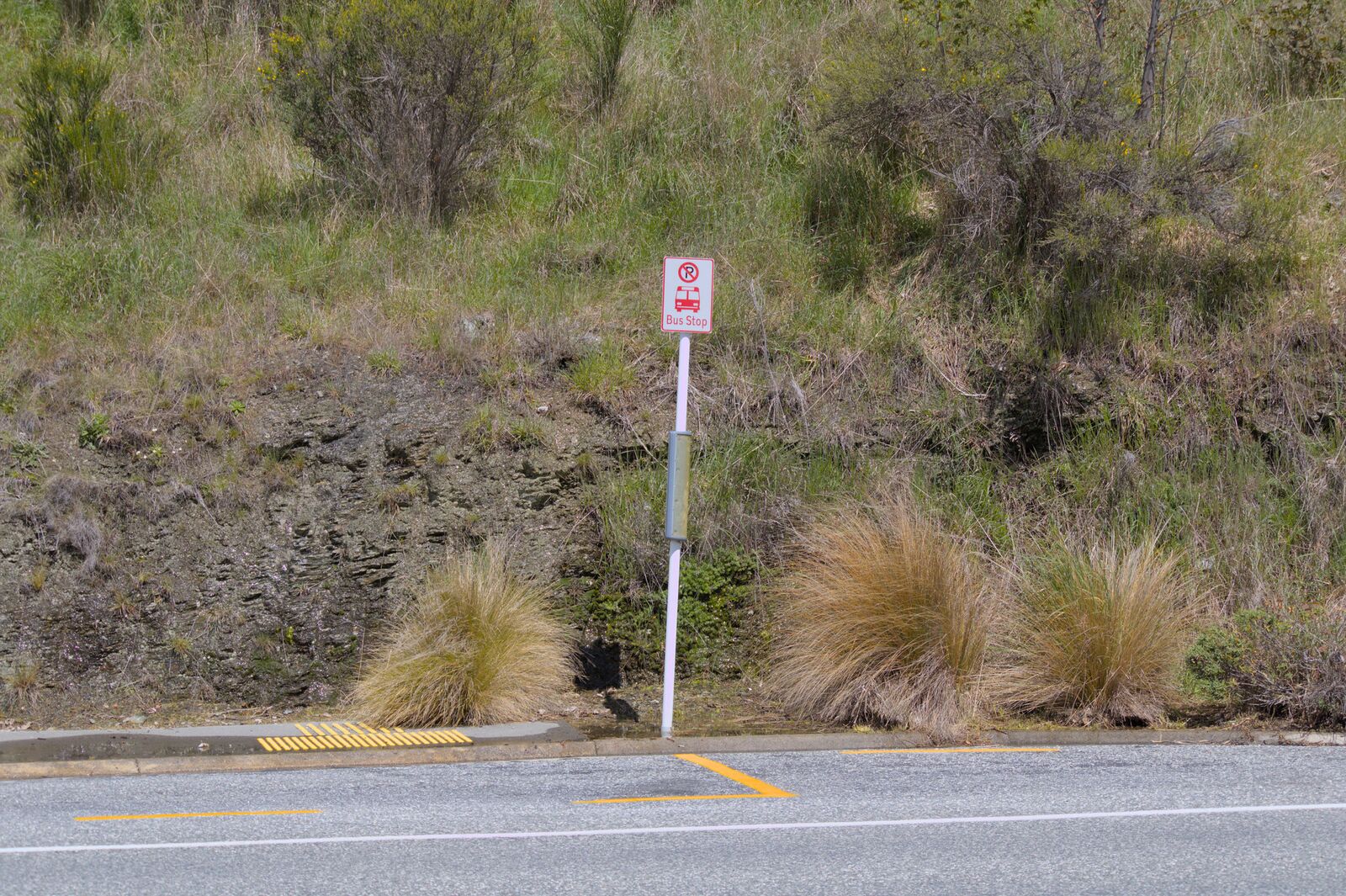
By Queenstown Pocket · Photograph: A roadside bus stop on Peninsula Road near Kawarau Falls, Frankton, October 2025 (all photo credits)
Orbus fares, checked 13 November 2026
| Fare | With a Bee Card | Cash on the bus |
|---|---|---|
| Adult (19 and over), any bus route | With a Bee Card: $2.50 | Cash on the bus: $4 |
| Adult, to or from Queenstown Airport (Route 1) | With a Bee Card: $2.50 | Cash on the bus: $10 |
| Child (5 to 12) and youth (13 to 18) | With a Bee Card: $1.50 | Cash on the bus: $4, or $8 on the airport leg |
| Under 5 | With a Bee Card: Free | Cash on the bus: Free |
| SuperGold (65 and over), concession loaded | With a Bee Card: $2.50 at peak, free off-peak | Cash on the bus: $4, or $10 on the airport leg |
| Community Connect (Community Services Card) | With a Bee Card: $1.25 | Cash on the bus: $4 |
| Route 6 ferry, Queenstown Bay to Kelvin Heights | With a Bee Card: $10 | Cash on the bus: $14 by bank card |
| A second bus within 45 minutes of tagging off | With a Bee Card: Free | Cash on the bus: Full fare again |
| The Bee Card itself | With a Bee Card: $5, plus a $5 minimum top-up | Cash on the bus: $5 cash from the driver, same top-up |
Every figure is from the Otago Regional Council fares page (opens in a new tab), checked 13 November 2026. Tag on and off with the card every trip; SuperGold off-peak is weekdays 9am to 3pm and after 6:30pm, weekends and public holidays, with the concession loaded.
Where to buy and top up. From the driver on any Orbus bus, cash only, for the card and for top-ups; Paper Plus at Queenstown Airport; The Watersports NZ kiosk at Earnslaw Park, by the Queenstown Ferries stop; The Watersports NZ kiosk at the blue shed, Frankton marina; Hilton Queenstown; The ORC office, ground floor, Alta House, Terrace Junction, 1092 Frankton Road, Monday to Friday 8am to 1pm and 2pm to 4pm; Online at beecard.co.nz by debit or credit card once the card is registered, with auto top-up as an option. Source: Otago Regional Council, Bee Card page (opens in a new tab), read 28 October 2026.
What it saves, trip by trip
| Trip | Bee Card | Cash | Saving |
|---|---|---|---|
| Standard bus trip, adult | Bee Card: $2.50 | Cash: $4 | Saving: $1.50 |
| Airport leg, adult | Bee Card: $2.50 | Cash: $10 | Saving: $7.50 |
| Standard trip, child or youth (5 to 18) | Bee Card: $1.50 | Cash: $4 | Saving: $2.50 |
| Airport leg, child | Bee Card: $1.50 | Cash: $8 | Saving: $6.50 |
| Transfer within 45 minutes | Bee Card: Free | Cash: Full fare again | Saving: $2.50 to $4 |
| Ferry (Route 6) | Bee Card: $10 | Cash: $14 bank card | Saving: $4 |
Fares are the Otago Regional Council’s current Queenstown figures. ORC consulted on fare and zone changes during 2026, so check the bus routes and fares guide for the date they were last verified.
Where to get one
- In person. Bee Card is sold at each region’s customer service point and selected retail outlets, and in Queenstown from the bus driver for cash. The Queenstown outlets are in the table at the top of this page: Paper Plus at the airport, the Watersports NZ kiosks at Earnslaw Park and the Frankton marina, Hilton Queenstown and the ORC office at Alta House, 1092 Frankton Road. If you land at the airport without one, the driver sells the card and the $5 top-up for cash, or takes $10 cash for that first leg.
- Online. $5 including postage to a New Zealand address (a PO Box is fine), up to 10 working days by post, with a $5 minimum top-up at purchase. Cards are not posted overseas, so visitors should buy on arrival.
- Register it. Registration unlocks online top-up, Auto Top Up, balance protection if the card is lost, and managing several cards from one account.
Using it
- Tag on and tag off every trip, on the reader by the driver. Forgetting to tag off charges the maximum fare.
- Transfers: free when you tag on to the next bus within 45 minutes of tagging off. Frankton Hub is where Routes 2, 3 and 5 meet Route 1.
- The ferry (Route 6, Queenstown Bay to Kelvin Heights) takes the card at $10 a trip, $14 by bank card, no concessions.
- Concessions load onto the card, not shown to the driver: child and youth (5 to 18) at $1.50, SuperGold free off-peak once the concession is loaded online, Community Connect at half the adult fare. Keep the proof with you for inspectors.
Questions people ask
How much does a Bee Card cost?
$5, ordered online (postage included, NZ addresses only, up to 10 working days) or bought in person. Online orders need a minimum $5 top-up. SuperGold holders have different card and top-up rules, and Community Connect cards are free.
Is a Bee Card worth it for a short visit to Queenstown?
Yes if you take the airport bus even once. The airport leg is $2.50 with the card and $10 cash, so the $5 card pays for itself on the first ride and every trip after that is $2.50 instead of $4.
Where do you buy a Bee Card in Queenstown?
From the driver on any Orbus bus (cash only), Paper Plus at Queenstown Airport, the Watersports NZ kiosks at Earnslaw Park and the Frankton marina blue shed, Hilton Queenstown, or the ORC office at Alta House, 1092 Frankton Road, weekdays 8am to 1pm and 2pm to 4pm (ORC Bee Card page, read 7 November 2026); or order online at beecard.co.nz to a New Zealand address. Cards are not posted overseas, so visitors buy on arrival.
How do you top up a Bee Card?
Online at beecard.co.nz once the card is registered (with Auto Top Up available), or in person at a sales outlet. Registering also protects the balance if the card is lost and lets one account manage several cards.
Are transfers free with a Bee Card?
Yes. Tag on to a second Orbus bus within 45 minutes of tagging off the first and the transfer is free. From the airport, Route 1 to Frankton Hub then Route 2 to Arrowtown is a single $2.50 fare.
Do children need a Bee Card?
Under 5 travel free without a card. Ages 5 to 18 get the child concession, $1.50 a trip, loaded on their own card; the concession expires on the holder's 19th birthday.
Get the app
Queenstown Pocket puts every Orbus route, stop and fare on your phone before you land, offline.
Related guides
- Getting around
Queenstown bus routes & fares
All six Orbus routes, the $2.50 airport bus, Bee Card vs cash fares and the ferry.Checked 13 Nov 2026  Getting around
Queenstown Airport to town: bus, taxi, shuttle or rental
The $2.50 bus, what a taxi costs, shuttles, and when a rental car makes sense.Checked 13 Nov 2026 Getting around
Do you need a car in Queenstown?
Where the bus gets you, where it does not, and what a car, shuttle or tour costs instead.Checked 26 Sep 2026 Getting around
Queenstown to Arrowtown by bus: $2.50 on Route 4 or Route 2
Route 4 from town, Route 2 from Frankton, $2.50 with a Bee Card, and the last bus back.Checked 16 Nov 2026
Photographs are credited on each guide and on the photo credits page.
Sources: Bee Card, get a card (opens in a new tab), Bee Card, concessions (opens in a new tab), the ORC Queenstown fares page (opens in a new tab) and Otago Regional Council, Bee Card page (opens in a new tab), retrieved 7 November 2026. Bee Card is operated for the regional councils; Queenstown fares are set by the Otago Regional Council. This independent guide is published by Tally Sphere Limited, a New Zealand company. Spotted a change? Report a problem with this page and the page address comes with your email.